Coopworth

Selling 40 Rams annually
Bred Under Pressure
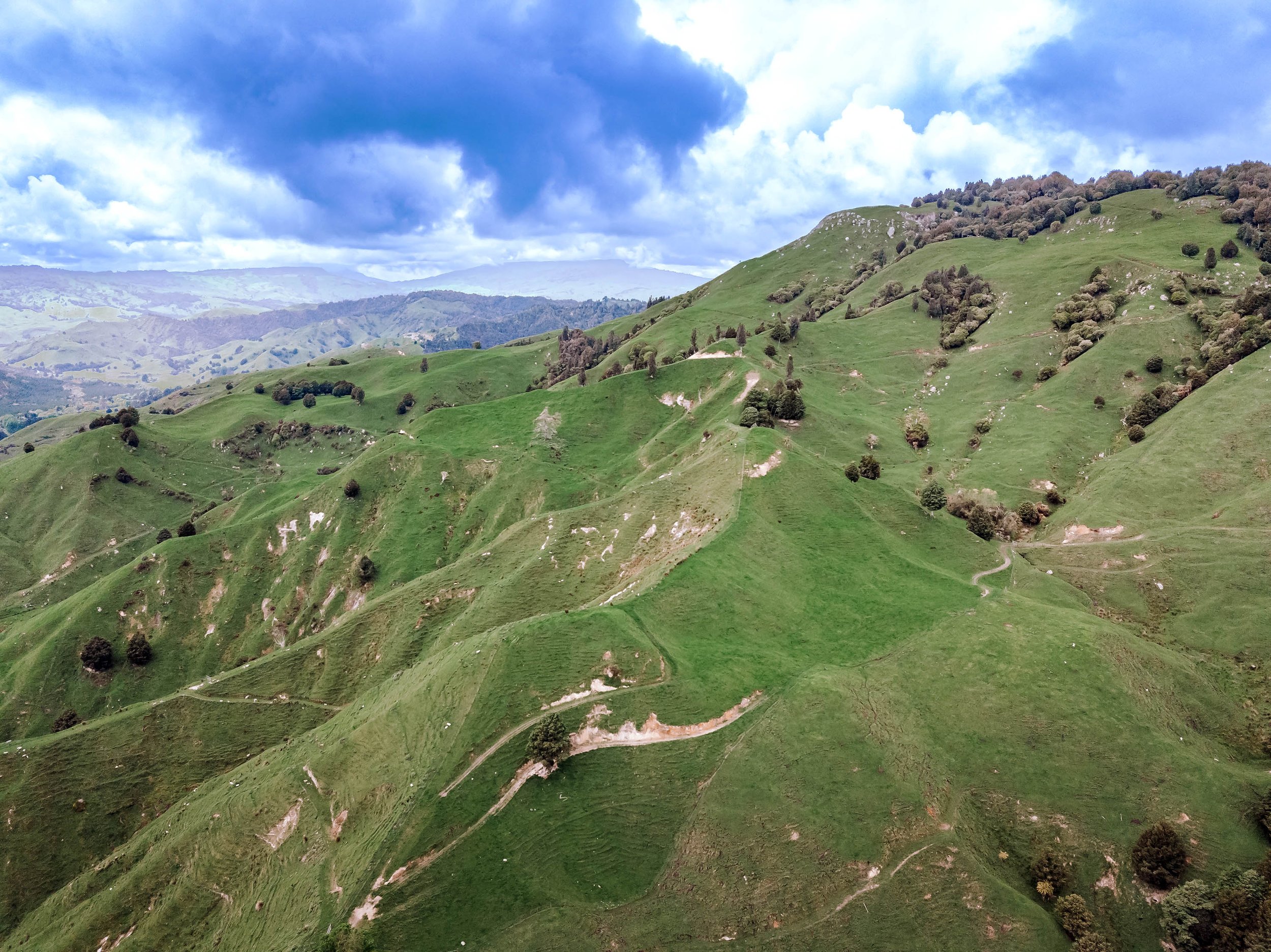
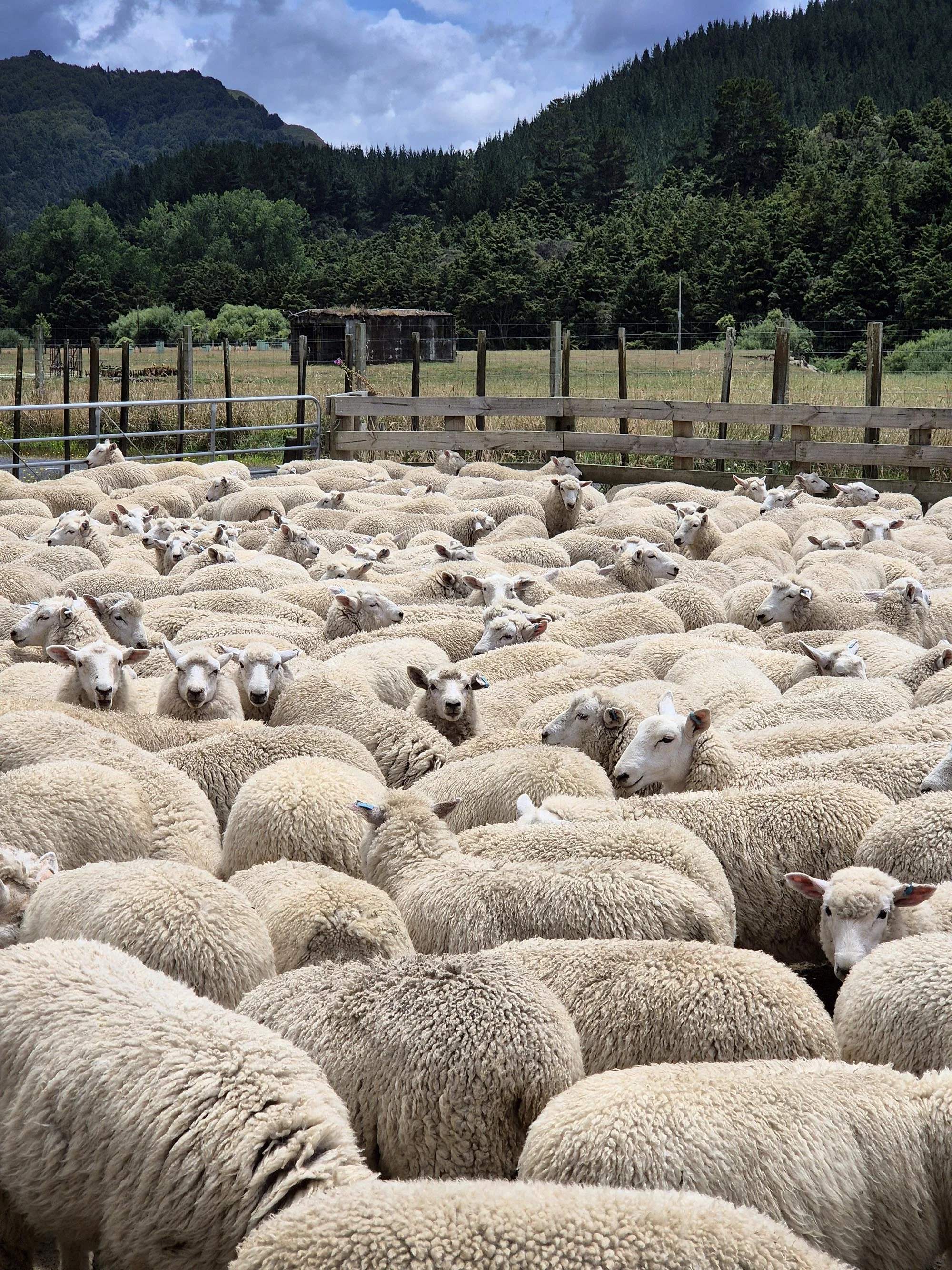
The Triple Farms Coopworth flock runs alongside 3,000 commercial breeding ewes on steep Ongarue hill country, under a strict no-drench policy, culled on performance rather than pedigree. It's the same standard the breed was built on.
History
The Coopworth flock was established in the 1960s by David Hartles of Maungatoroto, crossing Border Leicester rams over Romney ewes. It was officially registered as a stud in 1974, and became widely known for leading facial eczema tolerant genetics, combined with outstanding fertility, mothering ability and growth performance. Ashgrove Genetics took over the flock in 2013, and in 2023 Alan and Kerri Blake purchased it — along with the Suftex flock — from Ashgrove Genetics, previously run by the Parsons family and Travis Pymm in Kaipara, Northland. The stud moved to Triple Farms' Ongarue property in January 2024.
Breeding Philosophy
At Triple Farms we believe a stud needs to perform under strict commercial conditions, not just look good on paper. Our Coopworth stud flock is run alongside our commercial ewes from weaning through to mating, and anything that can't perform is culled, regardless of figures or breeding. Low input and structural soundness are at the forefront of what we select for, with the goal of producing low-input, high-output sheep that hold up under real pressure.
That standard matters because low-input traits only mean something when they've been tested somewhere that actually demands them. A ewe that looks efficient on an easy block hasn't proven anything. Running the Coopworth flock unshepherded on steep hill country, under the same conditions as the commercial flock, is a deliberately harder test than most stud operations set themselves — but it's the only kind of test with real commercial value behind it.
What the Flock Emphasises
The Coopworth flock is bred with structure first, above all else. Every ewe and ram lamb is FEC tested for worm count, and the rams are FEGold Accredited for facial eczema tolerance. Every lamb is DNA tested. Reproduction, hogget mating, growth and performance are all selected for, alongside eye muscle scanning to track carcass performance.
Breeding Strategy
Structure is the non-negotiable starting point for every selection decision. The flock is fully recorded on SIL, and wool weighing remains an important part of the Coopworth breeding programme. Ewes run under a strict no-drench policy, with only minimal drenching in lambs, and workload is deliberately reduced through dag scoring, bare breeching and no dipping for fly in the ewe flock. Hoggets are mated, and both the ewes and ewe hoggets lamb unshepherded on hill country — no exceptions are made for the stud sheep.
The result is genuine ewe efficiency: more from less. Less work, less cost, higher output, and less impact on the land — a 65kg ewe weaning over 150% to the ram.
The Triple Farms Guarantee
All lambs are DNA tested and are sire and dam verified
Maternal rams are FEC tested
All Coopworths are FEGold Accredited
All rams are structurally sound
Why a Triple Farms Coopworth Ram?
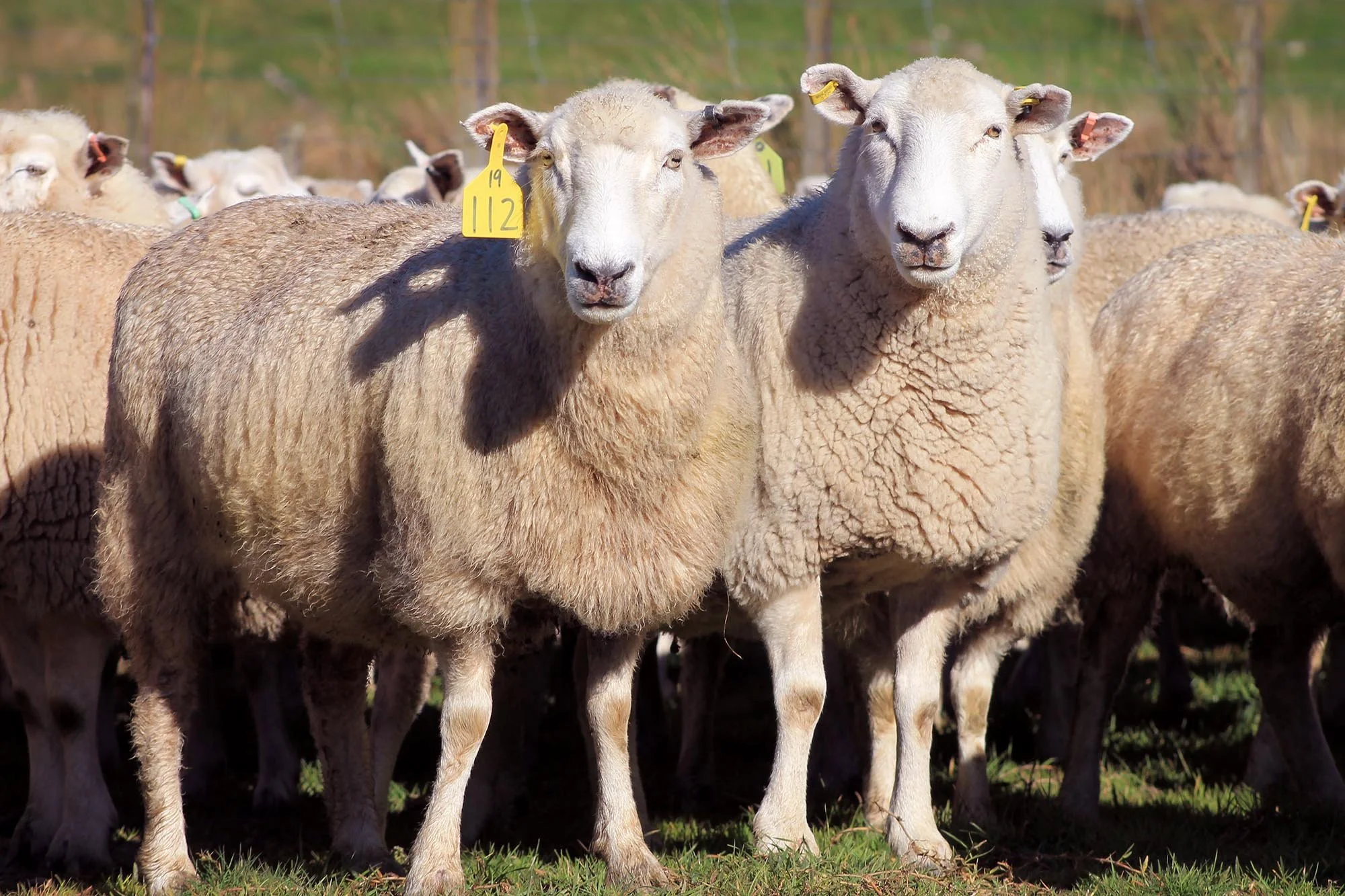
For commercial farmers running a Romney flock, putting a high-performance Coopworth ram over Romney ewes remains one of the most proven crossbreeding strategies in New Zealand sheep farming — it gives hybrid vigour. It's the reason the breed exists. The original Border Leicester x Romney crosses weaned 20–30% more lambs than the straight-bred ewes they came from, and that same hybrid vigour effect carries through today. Crossbred progeny generally retain the Romney's hill-country ability, sound feet and constitution, while gaining the Coopworth's fertility, milk production and mothering ability — building a medium-framed, fertile, long-lived replacement ewe that sets up a clean path into a three-breed system, finished over a terminal sire such as Suftex.
How much of that advantage comes through depends on the ram. A Triple Farms Coopworth ram is FEC tested, FEGold accredited, DNA verified and structurally sound, out of a flock that's already had to earn its place under commercial hill-country pressure. His genetics proven before they leave the farm, not just on paper.
Genomics and Selection
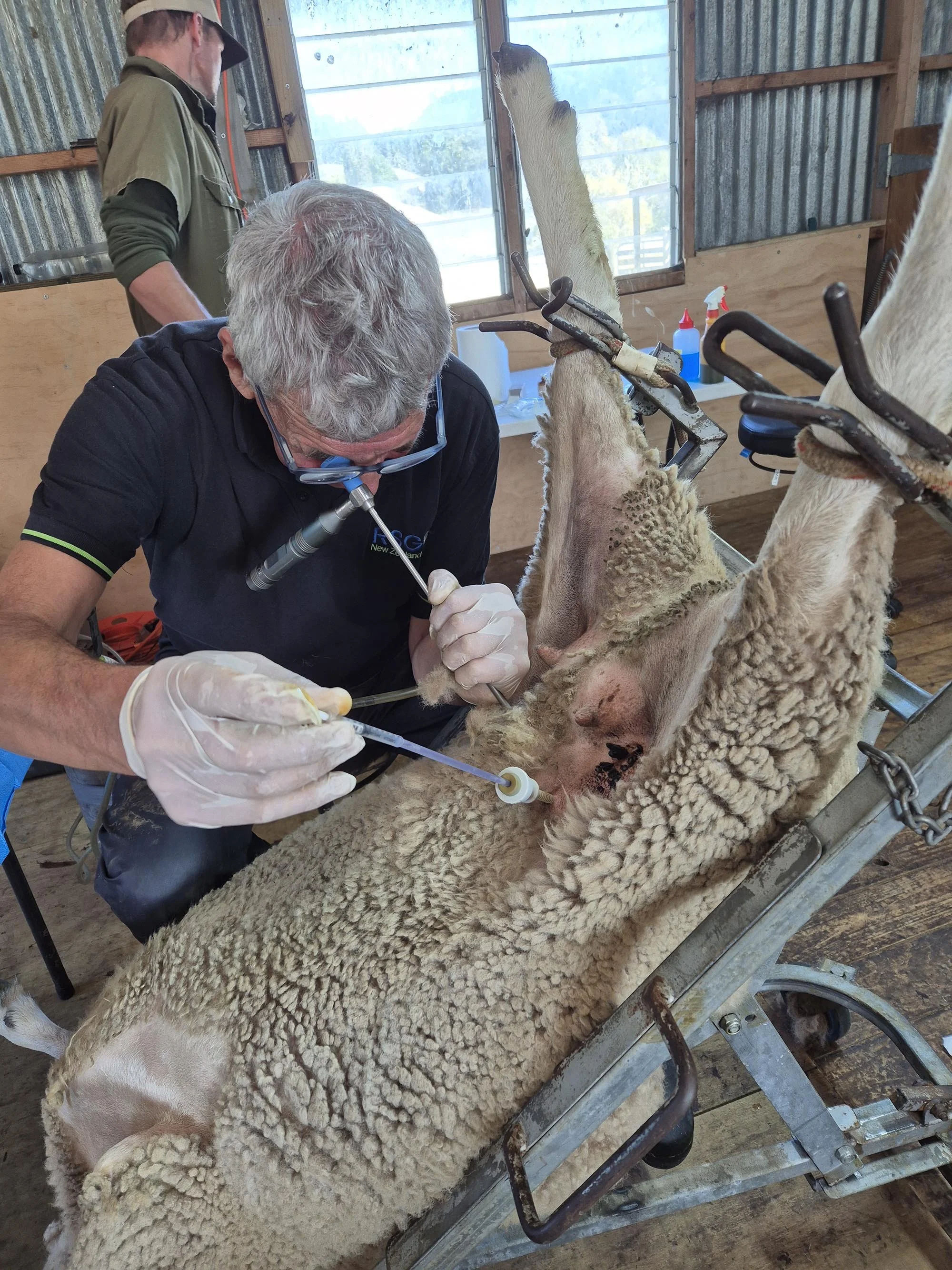
Every lamb DNA tested with sire and dam verification, combined with full SIL recording, means the Coopworth flock is already set up to benefit from genomic selection — giving more accurate breeding values earlier, particularly for hard-to-measure traits like facial eczema tolerance and worm resistance, where Triple Farms genetics already lead.
Triple Farms is working to increase the number of rams offered by utilising embryo transplant from the top ewes. This is a slow process to ensure the quality of rams offered is not compromised.

Triple Farms Coopworth flock have been tested for FE by Ashgrove Genetics since 1985 and achieved FEGold status in 2005.
Currently testing at 0.6mg/kg, with the goal of achieving 0.7mg/kg.